Cost to Learn Full Stack Web Development in Nigeria: 2026 Guide11 min read
Updated October 2026
The cost to learn full stack web development in nigeria ranges from about ₦0 to ₦1,500,000 for learning, depending on your study path and support. However, you may also need to budget for a laptop, internet data and power, which can raise your total starting cost.
Cost to Learn Full Stack Web Development in Nigeria
As of October 2026, these are practical planning ranges for training in Nigeria. Fees vary by provider, course length, mentorship and the exchange rate, especially when a course charges in foreign currency.
Learning option
Estimated learning cost
What you usually get
Self-learning with free resources
₦0–₦100,000
Free lessons, practice and possibly paid study materials
Paid online courses
₦20,000–₦300,000
Recorded lessons, exercises and sometimes certificates
Live online training
₦100,000–₦600,000
Scheduled classes, instructor feedback and group support
Coding bootcamp
₦300,000–₦1,500,000+
Intensive instruction, projects and career guidance
These figures cover learning fees, not every cost of becoming job-ready. For example, buying a laptop or paying for steady internet can add substantially to your budget. Therefore, compare what each programme includes before deciding.
How much does it cost to learn web development in Nigeria?
The cost to learn web development in Nigeria depends on whether you study independently, take an online course or join instructor-led training. You can start with free materials, while a structured programme may cost hundreds of thousands of naira.
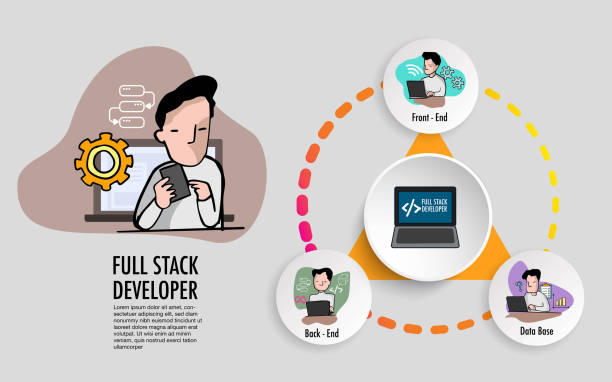
However, full stack development involves both front-end and back-end skills. A complete course should cover more than basic website design. Look for HTML, CSS, JavaScript, a front-end framework, server-side programming, databases, version control and deployment.
In addition, check whether the stated fee includes project reviews, live sessions, career support and access after graduation. A low price may cover videos only, while a higher fee may include direct help from instructors.
Full stack developer course in Nigeria: what should it include?
A full stack developer course in Nigeria should teach you to build and deploy a working application, not just follow coding demonstrations. In particular, look for a curriculum that includes:
HTML, CSS and responsive layouts.
JavaScript fundamentals and a front-end framework.
Back-end development, such as Node.js or another server-side language.
Databases, APIs, authentication and basic security.
Git and GitHub for managing code.
Deployment, debugging and project documentation.
Several portfolio projects with instructor feedback.
For example, a useful final project might be a booking platform, an online store or a student portal. You should be able to explain how its interface, server and database work together.
Meanwhile, providers differ in teaching style and support. Review the course outline, ask how often instructors give feedback, and confirm whether students build individual projects. You can also compare available technology courses in Nigeria before selecting a path.
Best Ways to Learn Full Stack Web Development in Nigeria
There is no single best route for every learner. Instead, compare the cost, structure, feedback and time commitment of each option.
Online courses
Recorded online courses suit learners who need a flexible schedule. Platforms such as Udemy and Coursera offer courses covering web development topics. However, course prices can change, especially when providers bill in foreign currency.
Estimated cost as of October 2026: ₦20,000–₦300,000.
Online courses can work well if you set a study schedule and complete the exercises. However, recorded lessons usually provide limited one-to-one guidance. Therefore, plan how you will get code reviews and answers when you get stuck.
Before paying, check the course’s latest update date, curriculum and learner reviews. Also confirm whether you receive lifetime access or access for a limited period. A certificate can document completion, but your projects usually show employers more about what you can build.
Live online training and local programmes
Live classes give learners a timetable and direct access to an instructor. Depending on the provider, they may include assignments, group work and feedback. As a result, this option can suit people who need more accountability than recorded lessons provide.
Estimated cost as of October 2026: ₦100,000–₦600,000.
Training providers in Nigeria may teach remotely or in person. If you are comparing local options, ask for a sample class, a detailed syllabus and the total fee. In addition, ask whether the programme supplies a laptop or expects you to bring one.
For a structured local option, check the web development training programme and confirm that its current syllabus matches your full stack goals. Do not assume that a course called “web design” covers server-side coding or databases.
Coding bootcamps
Bootcamps provide intensive training, often over several months. Some include live instruction, collaborative projects and career support. However, bootcamps require consistent attendance and practice outside class.
Estimated cost as of October 2026: ₦300,000–₦1,500,000 or more.
The final price depends on the length of the programme, instructor access, class size and extra services. Some providers may offer instalment plans or scholarships, but check the conditions before enrolling. Also, “job-ready” promises do not guarantee employment.
Before joining, ask to see recent student projects and speak with former learners if possible. Then confirm what happens if you miss classes or need extra support. A bootcamp works best when you can commit time every week.
Self-learning with free resources
Self-learning can keep tuition costs low. For example, you can study through free coding lessons, documentation and project tutorials. However, you still need a suitable device, internet access and enough discipline to follow a learning plan.
Estimated learning cost as of October 2026: ₦0–₦100,000, excluding a laptop and regular internet expenses.
Free resources include freeCodeCamp, W3Schools and MDN Web Docs. The MDN Web Docs website provides technical documentation and learning resources for web technologies. In addition, use one main curriculum rather than jumping between unrelated tutorials.
The main challenge is getting feedback. Therefore, share projects with a learning community, ask specific questions and review other people’s code. You can also build a portfolio gradually instead of waiting until you feel completely ready.
Extra Costs to Budget For
Training fees are only one part of the total. Before you start, estimate the equipment and recurring costs you will need to study consistently.
Laptop
You need a laptop that can handle a code editor, browser tabs and local development tools. As of October 2026, a basic used or entry-level laptop may cost around ₦250,000–₦600,000. A newer laptop with more memory and storage may cost ₦600,000–₦1,500,000 or more.
Prices change with the exchange rate, brand, condition and specifications. For most beginners, prioritise a reliable processor, at least 8 GB of RAM and an SSD. You do not usually need an expensive gaming laptop to learn web development.
Before buying, inspect a used device carefully. Check its battery, keyboard, screen, ports and charger. Also confirm that it can run the operating system and tools you plan to use.
Internet and power
Internet costs vary by provider, location and data plan. As of October 2026, budget roughly ₦10,000–₦40,000 per month for study-related data, depending on how much video content you stream. Prices change, so check current plans from providers available in your area.
For example, learners in Lagos may compare fibre, mobile broadband and mobile data based on their neighbourhood. In Abuja, coverage can differ between districts, so test a connection before relying on it for live classes. In Port Harcourt, consider whether your chosen provider works well at home and where you plan to study.
Power interruptions can also affect live lessons and project work. Therefore, include a small backup plan, such as charging devices ahead of class or studying from a reliable workspace. Your needs will depend on your location and schedule.
Software and certificates
You can learn with free tools, including code editors, Git and GitHub’s basic features. Likewise, many design and collaboration tools offer free plans. Paid subscriptions are optional, so do not assume you need several premium apps to begin.
Some programmes sell completion certificates separately. Meanwhile, professional certification exams can add significant costs, and their fees may change with exchange rates. Check the exam provider’s current price before budgeting. For many entry-level web roles, a strong portfolio and practical interview skills matter more than collecting certificates.
How to Choose a Learning Path: Step by Step
Use these steps to match your budget with a course that fits your goals.
Set your total budget. First, include tuition, laptop costs, internet and any power backup. Then decide what you can pay upfront and monthly.
Choose your learning style. If you need a timetable, consider live training or a bootcamp. If you study well independently, begin with free resources or recorded lessons.
Check the curriculum. Confirm that it covers front-end and back-end development, databases, Git and deployment. Ask for details if the course page only lists broad topics.
Review the support. Find out how instructors answer questions and review projects. In addition, confirm whether the fee includes mentorship or career guidance.
Inspect the outcomes. Ask what students build and whether you can see graduate portfolios. A course should help you create work you can explain and share.
Test your study setup. Finally, check your laptop, internet and weekly schedule before committing to an intensive programme.
Common Mistakes That Increase the Cost
A low course fee does not always mean a low total cost. Avoid these common mistakes:
Buying an expensive laptop too early. First, check the minimum requirements for the tools you will use.
Paying for several courses at once. Instead, finish one course and build projects before buying another.
Choosing a programme by certificate alone. Employers and clients need evidence of practical ability.
Ignoring internet and power costs. These recurring expenses can disrupt learning if you do not plan for them.
Expecting a bootcamp to do the work for you. You still need regular practice and independent problem-solving.
Skipping project reviews. Feedback helps you catch mistakes and improve code quality.
Which Learning Option Offers the Best Value?
The best value depends on how much structure and feedback you need. Self-learning has the lowest tuition cost, but you must create your own plan and find support. Online courses provide structure at a moderate price, while live classes and bootcamps offer more interaction.
For example, a learner in Lagos who already owns a laptop may start with a paid online course and a weekly study group. Meanwhile, someone in Abuja who needs a strict schedule may prefer live training. A Port Harcourt learner with limited home internet could download lessons when connected and reserve live sessions for feedback.
In short, choose based on your available time, equipment and ability to study independently. The cost to learn full stack web development in nigeria is only one consideration; the quality of practice and feedback also affects your progress.
Frequently Asked Questions
How much does it cost to learn web development in Nigeria?
As of October 2026, you can begin with free resources, while paid online courses may cost around ₦20,000–₦300,000. Live training or bootcamps can cost more, and your laptop and internet are separate expenses.
What is the cost to learn full stack web development in Nigeria?
Learning fees range from about ₦0 for self-study to ₦1,500,000 or more for intensive bootcamps. However, the total budget also depends on your equipment, data use and whether you need instructor support.
Which full stack developer course in Nigeria should I choose?
Choose a course that covers front-end and back-end development, databases, Git, deployment and practical projects. In addition, check the instructor support, course schedule and complete fee before enrolling.
Can I learn full stack development for free in Nigeria?
Yes. You can use free tutorials and documentation, but you will still need access to a suitable computer and internet. You should also plan how to get feedback and stay accountable.
Do I need a certificate to become a full stack developer?
A certificate is not essential for every job. However, a portfolio with working projects can demonstrate your skills more directly, so focus on building and explaining real applications.
How long does it take to learn full stack web development?
The timeline depends on your starting point, study hours and course format. A bootcamp may run for several months, while part-time self-study can take longer. Consistent practice matters more than rushing through lessons.
Key Takeaways
As of October 2026, learning fees range from free self-study to ₦1,500,000 or more for bootcamps.
Budget separately for a laptop, internet access and possible power backup.
Compare course content, project feedback and instructor access before paying.
Build practical projects; a certificate alone does not prove your ability.
Choose a learning format that fits your budget, schedule and need for support.
Explore Web Development Training
If you want structured guidance, explore Albanny Technologies’ web development training and check the current course details. Compare the curriculum and support with your goals before you enrol.
Benson is a Senior Digital Strategist at Albanny Technologies with over 5 years of experience in high-end web development and technical SEO. Specializing in helping Nigerian businesses scale their digital footprint, he translates complex technology into actionable growth strategies. When he’s not auditing site performance, he’s mentoring the next generation of tech talent in West Africa