Android App or Progressive Web App for Nigerian Customers?7 min read
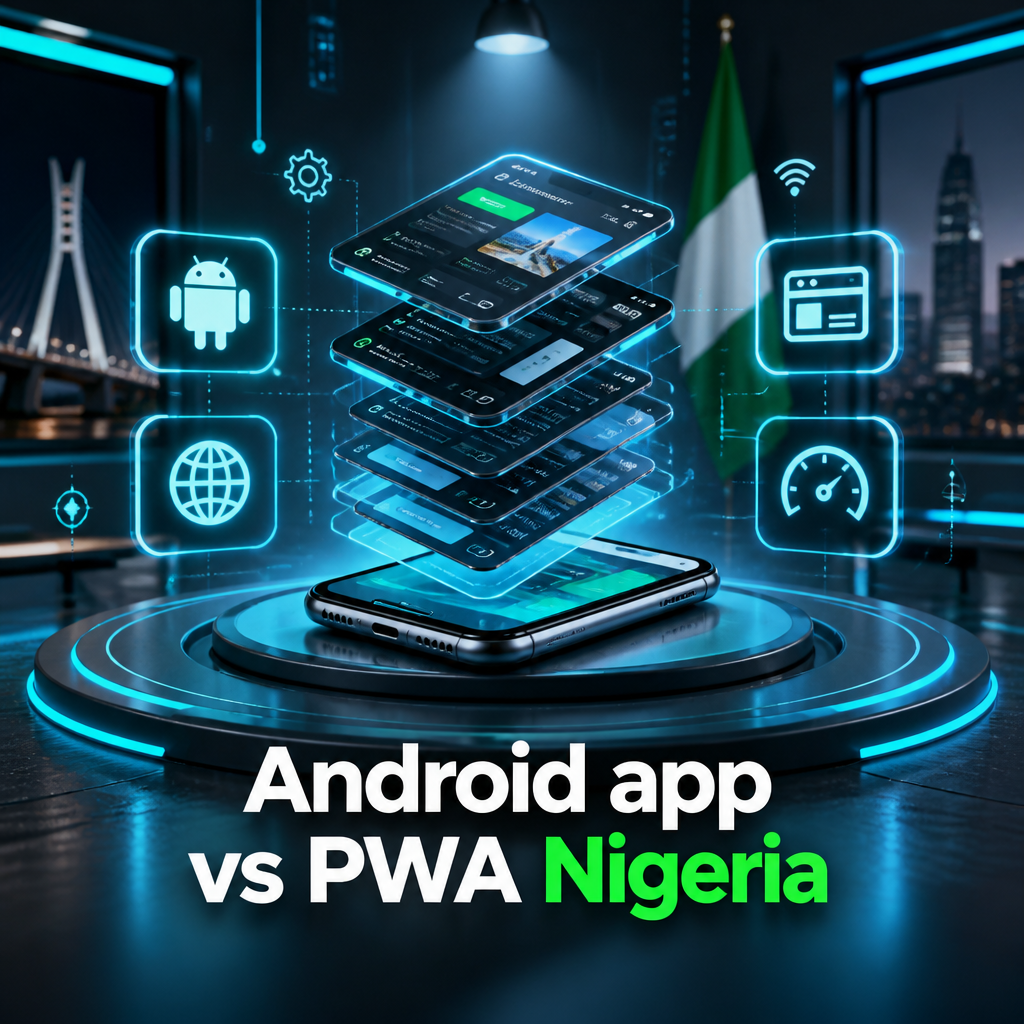
Nigerian customers may be ready to buy, but a slow download or unreliable connection can stop them before they start. If you are weighing Android app vs PWA Nigeria options, the right choice depends on what customers need to do, how often they return and what your budget can support.
An Android app installs on a customer’s phone, while a progressive web app (PWA) runs through a browser and can offer app-like features. Both can serve Nigerian customers, but they differ in reach, cost, offline access and maintenance. As Albanny Technologies works with businesses on digital products, we see the strongest decisions start with customer behaviour, not technology trends.
Below, you will learn how each option performs, what to consider for Nigerian connectivity and payments, and how to choose a practical first version for your business.
Android App vs PWA Nigeria: What Each Option Offers
An Android app is built for Android devices and installed from an app store or another approved distribution route. It can use phone features such as push notifications, the camera, GPS and selected offline functions. As a result, it suits services that customers use frequently or that need deeper access to the device.
A PWA is a website designed to behave more like an app. Customers can open it from a link, and many modern browsers let them add it to their home screen. Therefore, they can start using it without searching an app store or downloading a large installation package.
For example, a fashion retailer in Lagos might use a PWA for product browsing, orders and customer enquiries. Customers can tap a WhatsApp link, check sizes and complete a purchase from a shared campaign link. Meanwhile, a logistics company with drivers who need scanning, location tracking and offline task records may benefit more from an Android app.
The Android app vs PWA Nigeria decision also affects how you reach new users. A PWA link can move easily through WhatsApp, Instagram or an SMS campaign. In contrast, an Android app asks customers to install it first, which adds a step. That extra step may be worthwhile when customers gain a clear ongoing benefit, such as delivery tracking or loyalty rewards.
However, neither option guarantees sales by itself. A confusing checkout, unclear pricing or weak customer support can undermine both. In addition, you need to plan how the product will connect with your website, payment provider and customer records. For guidance on shaping an app’s first release, see how to plan an Android app MVP without overbuilding.
Compare Cost, Connectivity and Customer Access
For many small businesses, the main PWA advantage is easier access. Customers can open a link without committing to an installation. That can help when you are testing a new service or promoting a limited offer. In addition, updates to a PWA can reach users without asking them to install a new app version.
An Android app may require a larger initial investment because the team must build, test and maintain an installable product. However, total cost depends on the features, design, integrations and support plan. A simple catalogue app differs greatly from a multi-user platform with payments, chat, delivery tracking and staff dashboards. Ask developers to specify what the quote includes, including testing, hosting, updates and post-launch support.
Connectivity and device storage also matter. Some customers use entry-level phones or manage limited data, so avoid oversized images and unnecessary downloads. A PWA can reduce the first barrier, but it still needs a fast, mobile-friendly website and careful caching. An Android app can support selected offline tasks, yet developers must design those functions deliberately.
For current telecommunications information, consult the Nigerian Communications Commission. Meanwhile, test your product with the actual phones and networks your customers use. Do not assume that a feature works well because it performed smoothly on a developer’s newer device and office Wi-Fi.
Pro tip: Ask five to ten existing customers to complete the core task on both options. For example, let them find a product, place an order or request an appointment. Then record where they hesitate, how long the task takes and whether they would use the product again. This small test can reveal more than a long list of technical features.
Also consider trust. Customers should see clear business details, transparent prices and a reliable way to ask questions. A PWA often benefits from the credibility and search visibility of a well-built website. Learn more about web design services for Nigerian businesses when your web experience needs a stronger foundation.
Choose Based on the Job Your Product Must Do
Start by defining the main task. If customers mainly need to view information, submit an enquiry, book a service or make a straightforward purchase, a PWA may offer a simpler first step. For instance, a Port Harcourt salon could share a booking link on WhatsApp and let customers choose a service without installing an app.
On the other hand, an Android app may fit a product built around repeated use. A school could provide parents with attendance alerts, fee records and timetable updates. A delivery operator might need drivers to record proof of delivery, even when network access drops. In these cases, app-specific capabilities can support a more dependable daily workflow.
However, some businesses need both options eventually. A company can launch a PWA to test demand, learn which features customers use and improve the service. Then, it can invest in an Android app when repeat usage or device-specific requirements justify the extra work. Conversely, a business with a clear operational need may begin with an app and maintain a website for discovery and public information.
Check offline needs before you decide. A PWA can cache selected pages and content, but offline behaviour has limits and requires deliberate development. An Android app can also work offline, but it must store and synchronise data safely when the connection returns. For a deeper decision framework, see whether your business app needs to work offline.
As one practical rule, Albanny Technologies’ mobile team advises: “Choose the option that removes the biggest barrier in your customer’s journey.” Therefore, map the journey from first discovery to repeat use. If installation blocks first-time customers, begin with a PWA. If customers need device features or dependable repeat access, test an Android app.
Finally, choose measurable launch goals. Track completed bookings, successful payments, repeat visits and support requests, not just downloads or registrations. In short, the best Android app vs PWA Nigeria choice is the one that helps real customers complete useful tasks reliably.
Key Takeaways
A PWA opens through a link and can reduce the barrier to first use.
An Android app can better support frequent use and device-specific features.
Either option needs fast performance, clear pricing and a simple customer journey.
Test on the phones and networks your Nigerian customers actually use.
Choose based on customer tasks, then measure completed actions and repeat use.
Work With Albanny Technologies
Need help deciding which option fits your customers, features and budget? Albanny Technologies can help you plan and build a practical product through our mobile app development services. Start with the customer task you want to improve, and we can shape the right next step.
Benson is a Senior Digital Strategist at Albanny Technologies with over 5 years of experience in high-end web development and technical SEO. Specializing in helping Nigerian businesses scale their digital footprint, he translates complex technology into actionable growth strategies. When he’s not auditing site performance, he’s mentoring the next generation of tech talent in West Africa