Digital Marketing Agency vs In-House Team: Which Saves Nigerian SMEs More?6 min read
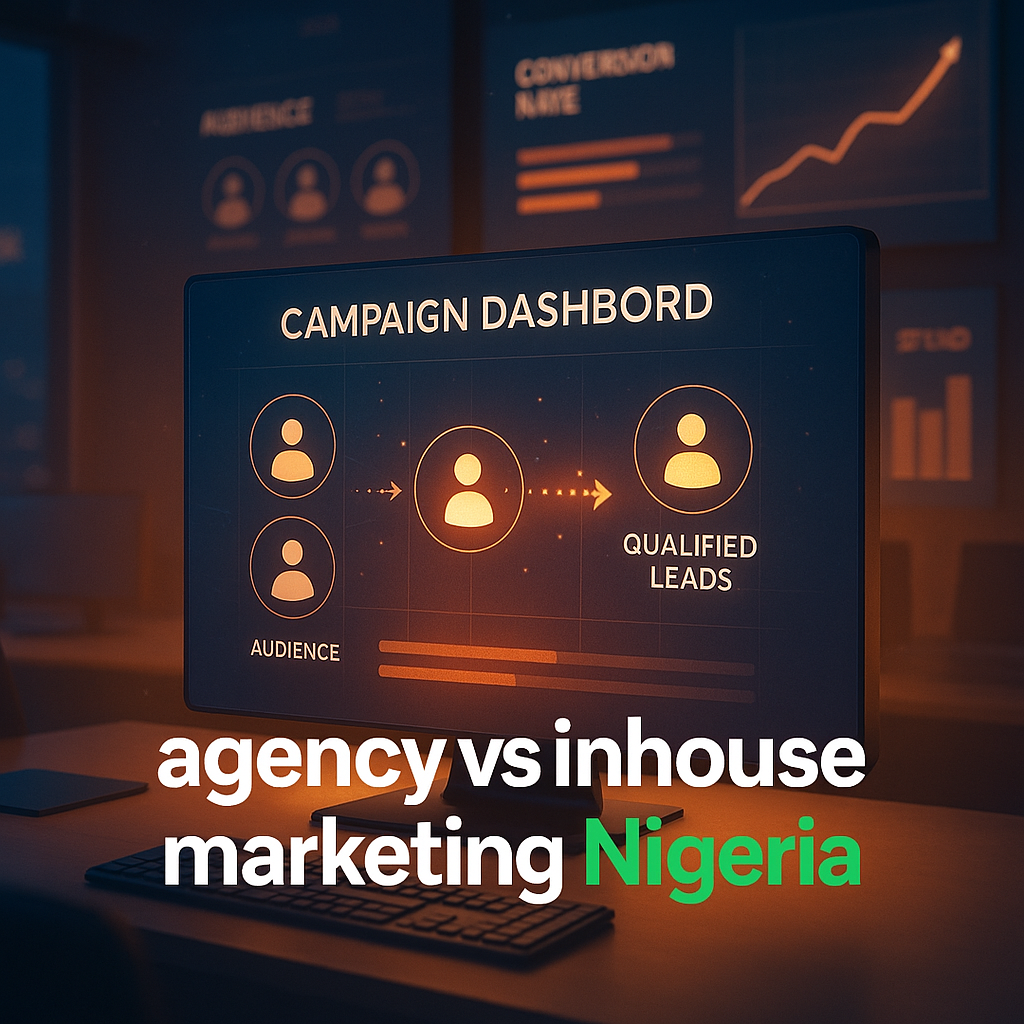
Nigerian SMEs face tough choices in a market where every naira matters. The digital landscape is fiercely competitive, and business owners must decide: Should you build an in-house marketing team or hire a digital marketing agency? With social media trends shifting overnight and the cost of talent rising, the “agency vs inhouse marketing Nigeria” debate has never been more relevant. At Albanny Technologies, we help businesses navigate these decisions every day.
In this article, you’ll discover the real-world pros and cons of agency and in-house marketing for Nigerian SMEs. We’ll break down direct and hidden costs, share practical examples, and reveal which option truly saves you more—beyond just the price tag.
Understanding the Direct Costs of Agency vs Inhouse Marketing Nigeria
First, let’s examine the bottom line. Agency fees and employee salaries are the most visible costs—but they play out very differently.
When you hire an agency, you pay a monthly retainer or project fee. For example, a basic digital marketing package in Lagos can start at ₦250,000 per month, covering services like social media management, content creation, and ad campaigns. This price often includes a whole team of specialists—strategists, designers, copywriters, and ad managers—whose combined expertise would be expensive to assemble internally. Agencies like Albanny Technologies typically offer scalable packages, letting SMEs adjust their spend as their needs grow.
On the other hand, building an in-house team means hiring full-time employees. Entry-level digital marketers in Nigeria earn from ₦120,000 to ₦200,000 per month. However, you’ll likely need at least two or three people to cover all digital marketing functions—content, design, ads, and analytics. Add recruitment costs, onboarding, and benefits, and the monthly total can quickly surpass ₦400,000. Notably, you must also budget for ongoing training and upskilling to keep your team current with digital trends.
In practical terms, agencies can offer cost savings through economies of scale and shared resources, while in-house teams give you direct control but with higher and less flexible overheads.
Hidden Factors: Flexibility, Speed, and Local Challenges
Beyond salaries and retainers, hidden factors can tip the scales in the agency vs inhouse marketing Nigeria decision.
First, consider flexibility. Agencies work with multiple clients and can quickly scale up campaigns or pivot strategies when the market shifts. For a Nigerian SME launching a seasonal promo or responding to sudden market changes, this agility is critical. In contrast, in-house teams may struggle to handle unexpected workload spikes, leading to burnout or delays.
Pro tip: If your business relies heavily on WhatsApp for lead generation and customer support, a solution like Abby AI automates responses 24/7, regardless of whether you use an agency or in-house team.
Speed is another factor. Agencies bring established workflows, tools, and reporting systems. They can launch campaigns faster than newly formed in-house teams, which often need time to gel. For example, when a Port Harcourt retailer wanted to double online sales during Black Friday, partnering with an agency delivered results in weeks, while in-house teams would have taken months to build capacity.
Local challenges also matter. Nigerian SMEs operate in an environment with frequent power outages and fluctuating internet service. Agencies, especially those with remote teams, often have backup infrastructure and can work around these disruptions. In-house teams, working from your office, may lose hours of productivity during PHCN blackouts—a problem discussed in our article on digital marketing failures during power cuts.
According to the Nigerian Bureau of Statistics, SMEs cite access to skilled talent and infrastructure as major hurdles. Agencies bridge these gaps with ready-made expertise and resources.
Quality, Control, and Scaling Your Business
Quality and control are two areas where the nuances of agency vs inhouse marketing Nigeria become clear.
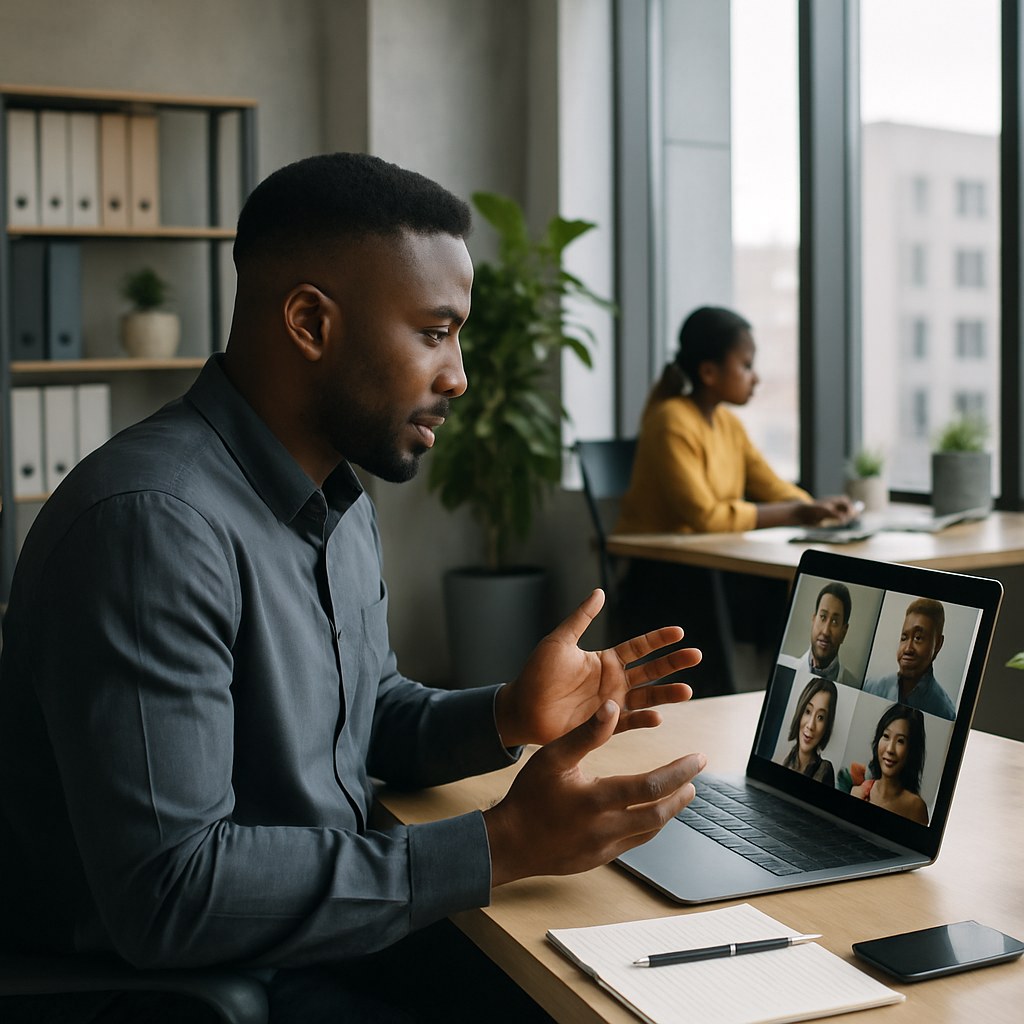
In-house teams offer direct oversight. You can walk over to the marketing desk, set priorities, and build a culture around your brand’s voice. This is ideal for businesses with highly specialised products or services, where deep product knowledge is essential. For instance, a fintech startup in Yaba achieved strong brand consistency by training its in-house marketers to speak the company’s unique technical language.
However, maintaining quality long-term can be difficult. In-house teams may become siloed or miss out on the latest digital marketing innovations. In contrast, agencies invest heavily in ongoing training and tool upgrades. They bring fresh ideas from working with diverse clients. As Olumide Adeyemi, a Lagos-based marketing strategist, says: “Agencies are exposed to trends and tactics that in-house teams rarely see. That breadth translates into better campaign performance.”
Scaling is another consideration. Agencies can assign more resources or specialists during peak periods, while in-house teams might struggle to keep up. For SMEs experiencing rapid growth, an agency partnership provides headroom without the hiring hassle.
For businesses that want the best of both worlds, consider hybrid solutions. For example, let your in-house team handle day-to-day content, while an agency manages high-stakes campaigns or advanced tools. This approach is especially effective for companies using advanced automation, as described in our guide to AI-powered business automation.
Key Takeaways
Agencies offer predictable costs, broad expertise, and flexibility, while in-house teams provide direct control.
Nigerian SMEs face unique challenges—power outages, skill gaps, and market volatility—that agencies can help mitigate.
In-house marketing teams may cost more than expected once you add hiring, training, and overheads.
Agencies scale faster and bring fresh strategies, but may lack deep product knowledge.
Hybrid solutions—combining agency support with internal staff—can deliver the best ROI for many SMEs.
Explore Albanny’s Digital Marketing Services
Choosing between an agency and an in-house team doesn’t have to be a gamble. At Albanny Technologies, our digital marketing services are designed to give Nigerian SMEs the expertise, flexibility, and cost savings they need. If you’re ready to scale your marketing without the headache of hiring, let’s talk about how we can support your goals.
Benson is a Senior Digital Strategist at Albanny Technologies with over 5 years of experience in high-end web development and technical SEO. Specializing in helping Nigerian businesses scale their digital footprint, he translates complex technology into actionable growth strategies. When he’s not auditing site performance, he’s mentoring the next generation of tech talent in West Africa