5 Signs Your Business Needs a Custom WhatsApp AI Agent (Not Just Broadcasts)5 min read
Every Nigerian business owner knows that WhatsApp is a lifeline for customer communication. But while mass broadcasts can help you send announcements, they rarely solve the real headaches—missed sales, slow replies, or handling hundreds of customer questions daily. In a market where quick response and personal attention make or break your reputation, a custom WhatsApp AI agent is no longer a luxury—it’s the new standard. At Albanny Technologies, we’ve seen firsthand how moving from basic broadcasts to smart AI-driven conversations transforms customer experience and boosts revenue.
In this article, you’ll discover five clear signs your business has outgrown simple WhatsApp broadcasts. We’ll show you exactly when it’s time to upgrade to a custom WhatsApp AI agent, using practical scenarios Nigerian SMEs face every day. You’ll also learn how solutions like Abby AI can automate bookings, resolve complaints, and capture warm leads—even when you’re offline.
1. You Struggle to Respond to High Volumes of Customer Messages
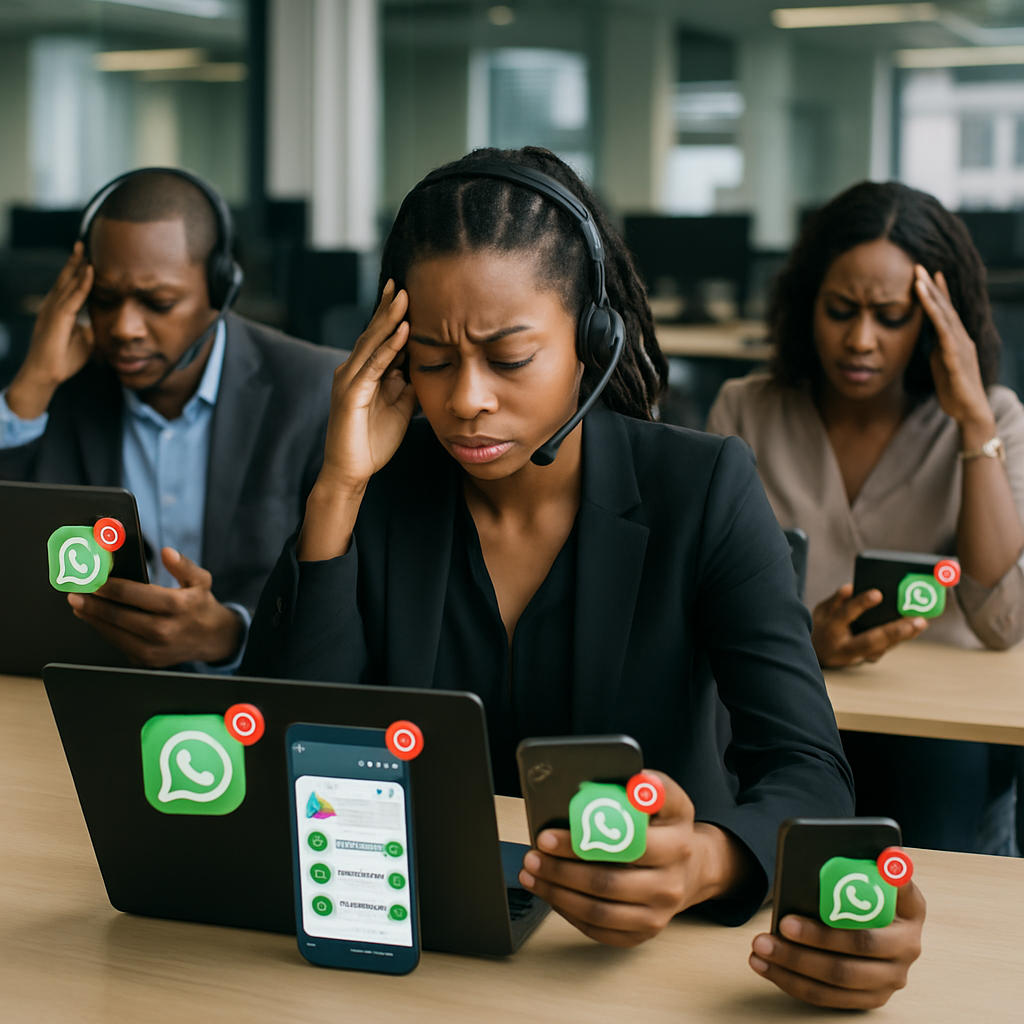
First, let’s address a common problem: your customer support team is drowning in WhatsApp chats. For many Lagos salons, Abuja law firms, or Port Harcourt logistics companies, it’s normal to receive 70 to 200 messages a day. Basic broadcast lists only push out information—they don’t handle replies, solve issues, or qualify leads.
Because of this, many businesses start to miss messages or reply hours later. Imagine a client trying to book a ₦50,000 makeup session, or a customer seeking urgent delivery status—delayed replies mean lost money. As we noted in How a WhatsApp AI Bot Handles 100 Customer Requests a Day (With Real Examples), a custom WhatsApp AI agent can triage, prioritise, and answer most queries instantly, 24/7.
In other words, when you find that your team can’t keep up, or you’re paying staff overtime just to reply faster, it’s a sure sign to automate. Unlike traditional broadcasts, an AI agent can instantly answer FAQs, update customers about their orders, and even escalate complex issues to your human staff—saving you hours every week.
2. You Need to Automate Bookings, Lead Capture, and Complaint Handling
Above all, WhatsApp broadcasts simply can’t automate tasks like appointment booking, lead qualification, or complaint tracking. For example, a gym owner in Yaba might send out a broadcast about a new class, but then spends hours answering “How do I register?” or “Is there a slot for Friday?” messages. This manual work limits your growth.
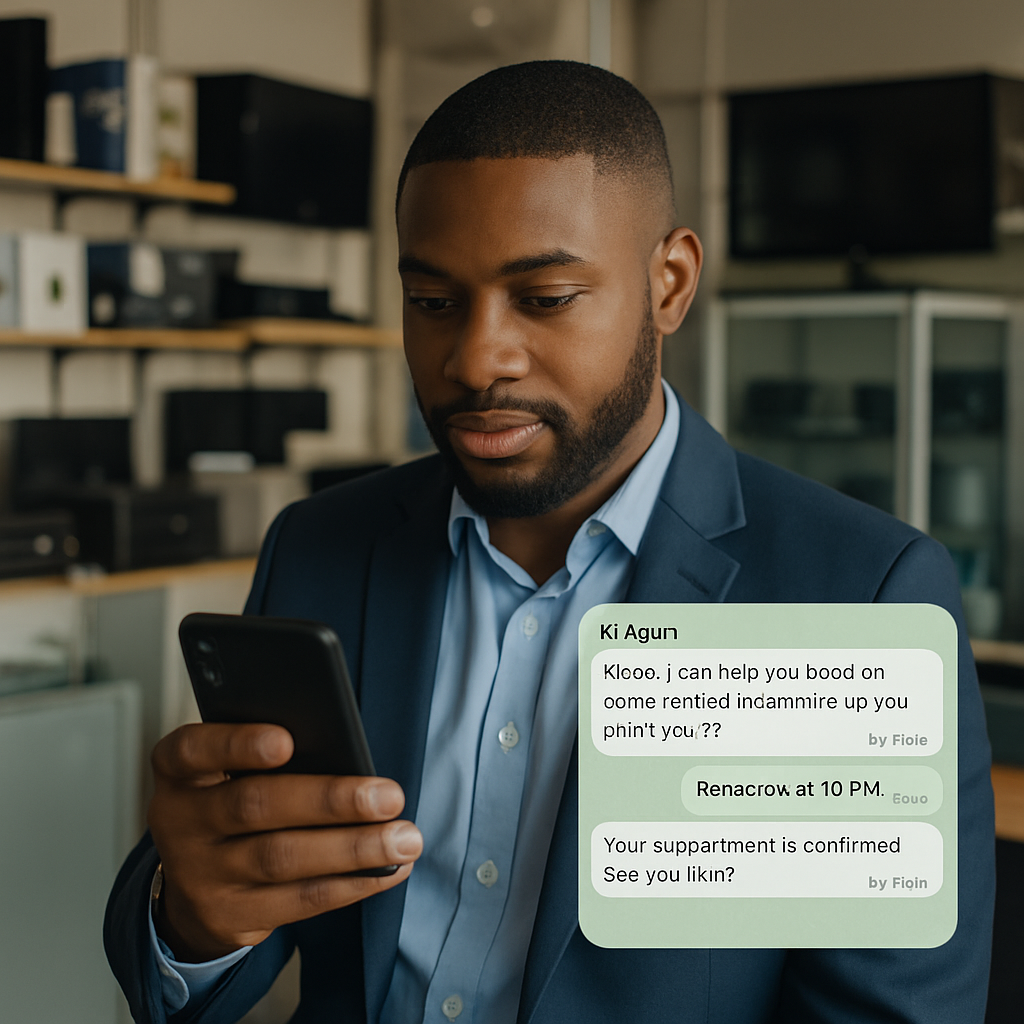
A custom WhatsApp AI agent, like Abby AI, can handle these workflows automatically. It can book appointments based on your calendar, capture detailed lead information, and even generate support tickets for complaints. This means more bookings and fewer missed revenue opportunities, even after office hours.
Pro tip: According to NBS data, Nigerian SMEs now face increasing pressure to deliver digital customer service, as consumers expect instant replies and online booking options. If your competitors offer AI-powered support and you don’t, you’re likely losing business.
Moreover, if your sales team still asks leads to “fill this Google Form” or “send your details”, you’re adding friction that makes people drop off. Compare this to a WhatsApp AI agent that collects all required info in a friendly chat, then follows up automatically.
3. Your Customers Expect Personalised, 24/7 Conversations—Not Just Mass Messages
Broadcasts are one-way. They don’t remember preferences, track past conversations, or offer product suggestions. In a country where WhatsApp is the default channel for everything from real estate to restaurant reservations, customers expect businesses to “know” them and respond anytime—even after 6pm.
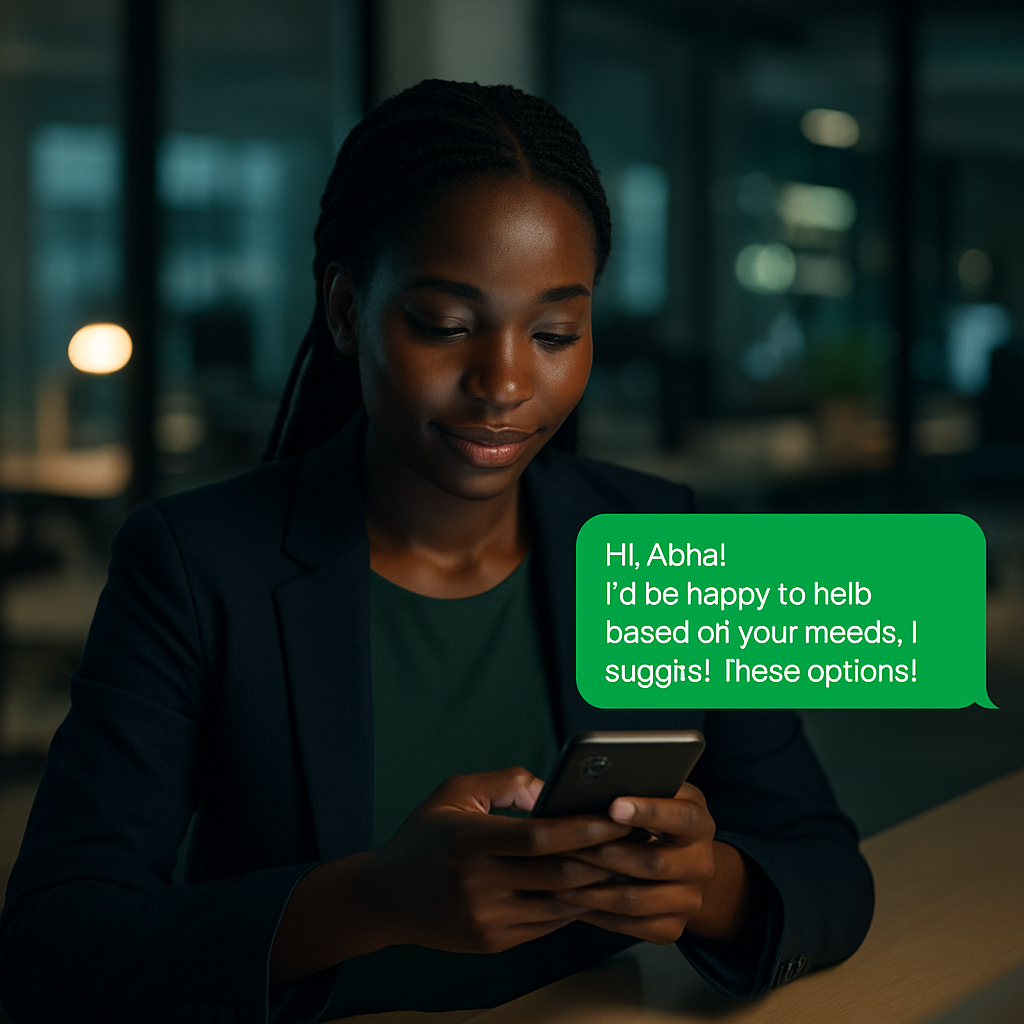
For example, consider a Lagos restaurant that sends out a weekend menu via broadcast. Interested customers reply with questions or booking requests, but if it’s after closing time, nobody answers. As we discussed in Why Your Lagos Restaurant Loses Bookings After 6pm (And How to Fix It), a custom WhatsApp AI agent can greet each customer by name, remember their last order, and confirm reservations at midnight.
Similarly, for online retailers selling fashion, electronics, or beauty products, a smart agent can recommend items based on browsing history, upsell alternative products, or issue discount codes automatically. This level of personalisation is impossible with simple broadcasts.
A quote from Chidi Nwosu, a Lagos-based SME coach, sums it up: “Nigerian customers want answers now, not tomorrow. If your WhatsApp isn’t smart and instant, they’ll take their money elsewhere.”
If you’re overwhelmed by incoming WhatsApp messages, an AI agent can handle the load instantly.
Automating bookings, lead capture, and complaint handling requires more than basic broadcasts.
Modern customers expect 24/7, personalised WhatsApp experiences, not just mass updates.
A custom WhatsApp AI agent can remember preferences, upsell, and resolve issues even after hours.
Upgrading to AI-powered WhatsApp automation helps Nigerian SMEs boost sales and reduce manual work.
Custom WhatsApp AI Agents for Your Business: Learn More
Ready to move beyond simple WhatsApp broadcasts? Albanny Technologies helps Nigerian businesses deploy advanced solutions like Abby AI for seamless customer engagement and automation. Book a free consultation to discuss how a custom WhatsApp AI agent can transform your business and help you win more customers, day or night.
Benson is a Senior Digital Strategist at Albanny Technologies with over 5 years of experience in high-end web development and technical SEO. Specializing in helping Nigerian businesses scale their digital footprint, he translates complex technology into actionable growth strategies. When he’s not auditing site performance, he’s mentoring the next generation of tech talent in West Africa