Website vs Mobile App: Which Should Your Business Build First?5 min read
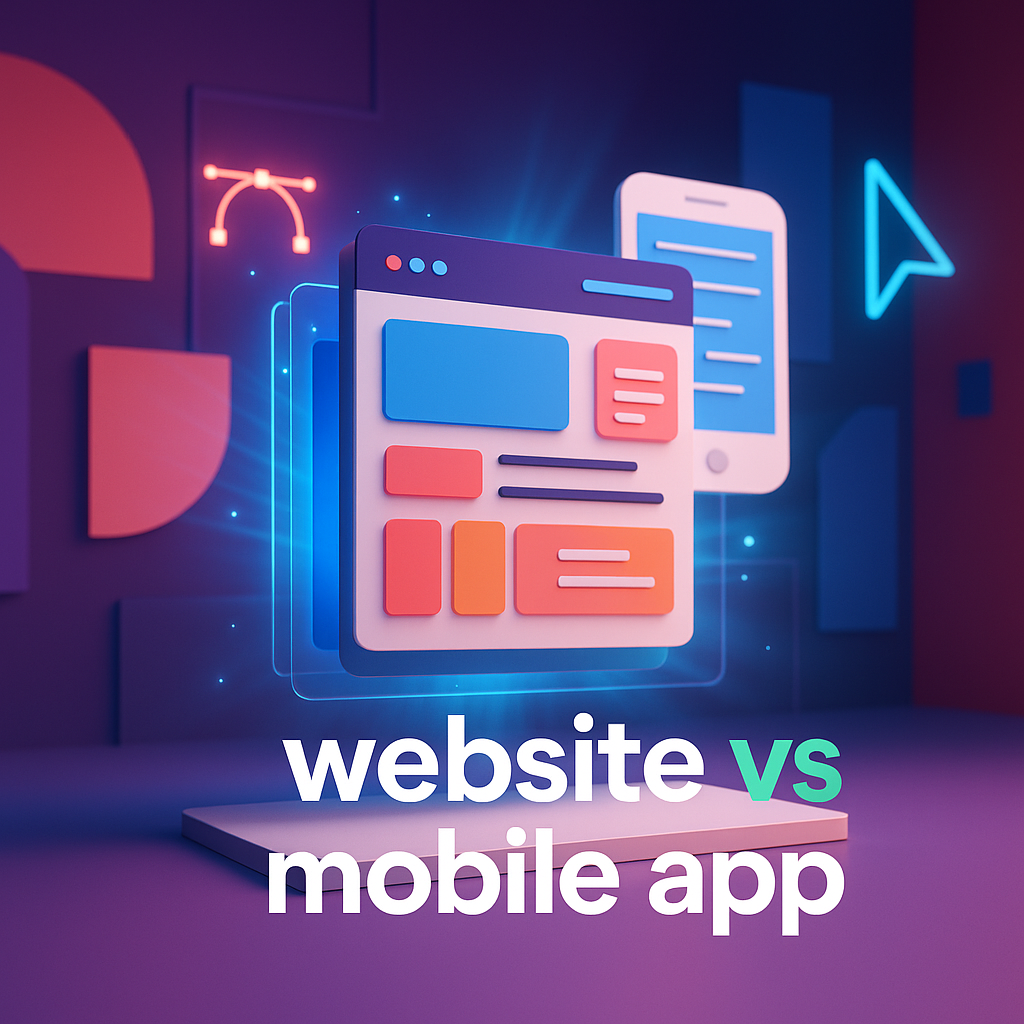
If you’re a Nigerian entrepreneur, you already know how important it is to be visible, accessible, and trusted in today’s digital marketplace. The competition is fierce, and your customers are online—on their phones, on their computers, and everywhere in between. As you plan your next move, you face a critical decision: website vs mobile app—which one should your business build first? At Albanny Technologies, we help SMEs across Nigeria choose the right digital platforms to accelerate growth, drive sales, and streamline operations.
This guide will walk you through the business cases for building a website versus a mobile app. You’ll learn which option best fits your target audience, budget, and goals. We’ll compare use-cases, costs in naira, and real-life examples from Nigerian SMEs. By the end, you’ll have the clarity and confidence to take your next step.
Website vs Mobile App: Audience Reach and Use-Cases
First, let’s consider where your customers are. In Nigeria, over 122 million people access the internet via smartphones, but only a fraction regularly download business-specific apps. A website is universally accessible—anyone with a browser can visit, whether they’re using a N30,000 Tecno phone or a high-end laptop. This makes a website ideal for reaching new customers, sharing your business information, and providing basic services.
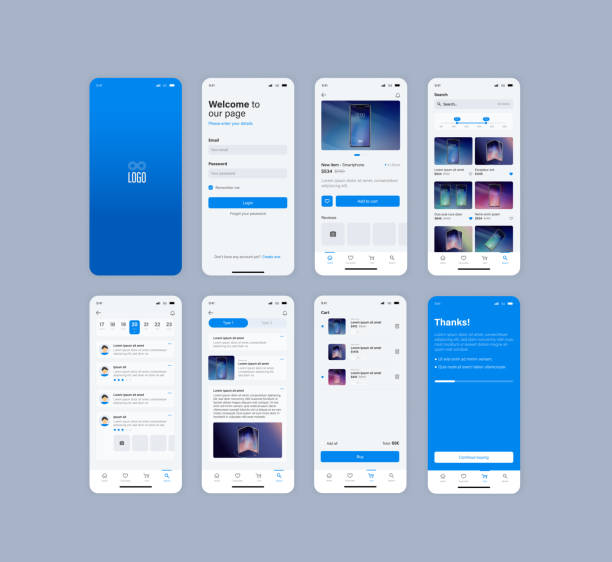
For example, a fashion boutique in Lagos can showcase its catalogue, take orders, and even accept payments online with a well-designed website. On the other hand, a mobile app creates a more personal and interactive experience. Apps are best for businesses that want to engage loyal customers, provide offline access, or offer advanced features like push notifications or location tracking.
Consider a logistics startup in Port Harcourt. They may benefit from a mobile app that lets drivers update delivery statuses in real time, but their clients might still prefer to track shipments or make bookings through the website. In short, your choice depends on your immediate goal: do you need broad visibility, or deep engagement?
Cost is often the deciding factor for many SMEs. Building a professional website in Nigeria typically ranges from ₦200,000 to ₦1,500,000, depending on the features and complexity you need. Maintenance costs are relatively low, and updates can be rolled out instantly to all users. In contrast, a native mobile app can cost anywhere from ₦1,000,000 to ₦6,000,000 or more. You’ll need separate versions for Android and iOS, and each update has to be submitted to the app stores.
For instance, a delivery company in Enugu decided to launch with a website first. They spent under ₦500,000, got online in three weeks, and began taking orders immediately. Later, as their customer base grew, they invested in a mobile app tailored for frequent users.
Pro tip: If your business involves bookings, ticketing, or customer support, consider using a hybrid approach. Tools like Abby AI can automate WhatsApp interactions, bridging the gap between traditional websites and mobile-first convenience.
According to NBS data, small businesses that started with a website reported faster time-to-market and lower initial costs, especially when compared to those launching apps from day one. That is why many local brands now opt for a web-first strategy before expanding to mobile.
Business Goals, Customer Behaviour, and Long-Term Growth
Your long-term vision should guide your digital investment. If your goal is brand awareness, lead generation, or e-commerce, a website offers the flexibility and SEO advantages you need. Nigerian shoppers often research businesses online before making a purchase. A well-optimised site, as we discussed in our article on web design trends for 2026, can help you rank higher on Google and attract organic traffic.
However, if your business model relies on frequent interactions, loyalty programs, or push notifications—for example, a fintech startup or a ride-hailing service—then a mobile app may deliver better retention. Apps are also ideal when you want to leverage device features such as GPS, camera, or offline functionality.
A real-world example: a fitness studio in Ibadan started with a responsive website for class schedules and registrations. As membership grew, they built a mobile app for subscribers, offering personalised workout plans and notifications about new classes. This layered approach allowed them to control costs while meeting evolving customer expectations.
To explore the difference in technical requirements or get help choosing, check out our custom mobile app development services. Albanny Technologies can advise on a phased rollout, so you maximise value at every stage.
Key Takeaways
A website offers broader reach, easier access, and lower upfront costs for Nigerian SMEs.
Mobile apps are ideal for deep engagement, loyalty, and leveraging phone features.
Cost to build a website in Nigeria is typically much lower than a mobile app.
Many businesses succeed by starting with a website, then adding an app as they grow.
Your ideal choice depends on your audience, business goals, and available budget.
Talk to Albanny About Your First Digital Platform
Choosing between a website and a mobile app is a major decision for any Nigerian business. Albanny Technologies has helped hundreds of SMEs launch the right digital platform for their audience and goals. If you’re ready to start, get expert advice with our free web and app consultation.
Benson is a Senior Digital Strategist at Albanny Technologies with over 5 years of experience in high-end web development and technical SEO. Specializing in helping Nigerian businesses scale their digital footprint, he translates complex technology into actionable growth strategies. When he’s not auditing site performance, he’s mentoring the next generation of tech talent in West Africa