How Long Does It Take to Learn Coding? A 2026 Phone-First Plan9 min read
Updated November 2026
How long does it take to learn coding? With regular practice, you can learn basic programming concepts in a few months, then spend six months to a year or longer building job-ready skills. You can start on a smartphone, although a laptop makes larger projects easier.
The timeline depends on what you want to build, how often you practise and how much support you have. For example, learning basic HTML and CSS to create a simple webpage usually takes less time than learning enough JavaScript or Python to build a larger application.
As a rough guide, here’s what a beginner might expect with consistent study:
Learning goal
Approximate time
What you should be able to do
Understand basic coding concepts
2–6 weeks
Use variables, conditions and simple loops
Build a basic webpage
1–3 months
Create a simple page with HTML and CSS
Make interactive web pages
3–6 months
Add basic JavaScript interactions
Build a small portfolio project
4–9 months
Plan and complete a few beginner projects
Prepare for junior-level work
6–18 months or longer
Use tools, solve problems and explain your work
These are learning estimates, not guarantees of employment. In addition, studying for 30–60 minutes most days usually works better than cramming for several hours once a week.
Your goal also matters. For instance, someone learning HTML and CSS for a personal website may need a shorter study plan than someone aiming to build mobile apps. Meanwhile, a career change requires more than learning syntax. You also need practice projects, problem-solving skills and feedback.
Can you learn coding with a smartphone?
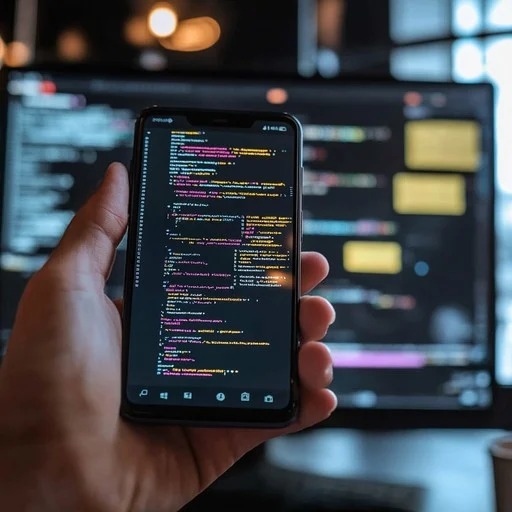
Yes. A smartphone can help you learn programming basics, follow lessons, read documentation and practise short exercises. Therefore, you do not need to wait until you can afford a computer before you begin.
However, a phone has limits. Its small screen and touchscreen keyboard can make it slower to write, compare and debug longer programs. As a result, treat your phone as a useful starting point and practice tool. When your projects grow, try to get occasional access to a laptop at home, school, work or a community learning space.
A phone works well for:
Watching lessons and taking notes.
Completing short coding exercises.
Reading programming guides.
Testing small HTML, CSS or JavaScript examples.
Asking questions in beginner communities.
On the other hand, a laptop becomes more useful when you manage several files, install development tools or build a larger project. Even so, you can learn the foundations with a phone and move to a computer later.
How to learn coding in mobile
You can create a simple study routine using apps, a mobile browser and small projects. First, choose one language or learning goal. Then, practise consistently rather than switching between several courses.
1. Pick a beginner-friendly goal
Start with what you want to make. For example, choose HTML and CSS if you want to build web pages. Alternatively, try Python if you want to explore general programming concepts or simple scripts.
JavaScript is useful for adding interactive features to websites. However, avoid trying to learn HTML, CSS, JavaScript and Python all at once. A focused first goal makes it easier to track your progress.
2. Choose one learning app or course
Beginner apps such as Mimo and Sololearn offer guided lessons and short exercises. In addition, some platforms include quizzes and simple projects. App features and subscription prices can change, so check the current details before paying.
You can also learn from browser-based lessons. For web development, MDN Web Docs provides reference material and learning resources. MDN Web Docs explains web technologies such as HTML, CSS and JavaScript, so use it when you need clear technical documentation.
If you learn better with an instructor, compare structured web training options before enrolling. Check the syllabus, practice requirements and support available to students.
3. Practise in a mobile browser
After you understand a basic concept, write code yourself. Browser-based editors such as Replit and CodePen can help you test small examples on a phone. However, their features and free access may change, so check what each platform currently offers.
For example, create a heading, paragraph and button in a small webpage. Then, change the colours or add a basic interaction. Because you are making something of your own, you will remember more than you would from watching lessons alone.
4. Use video lessons actively
YouTube tutorials can explain difficult ideas through demonstrations. However, do not watch several videos without practising. Pause after each step, try the code yourself and write down what confused you.
If your phone supports split-screen, keep the video open beside a notes app or code editor. Otherwise, watch a short section, switch apps and recreate the example. That approach helps you learn by doing.
5. Join a supportive learning community
Learning alone can feel frustrating, especially when your code produces an error. Therefore, join a beginner community where you can ask specific questions and share small projects. Options include Reddit’s r/learnprogramming and discussion spaces within coding apps.
When you ask for help, include what you expected, what happened and the part of the code causing trouble. Also, avoid sharing passwords, private account details or personal information in public groups.
6. Set a repeatable weekly routine
A simple routine is easier to maintain than an ambitious plan you quickly abandon. For example, study for 30 minutes on five days each week. Use some sessions for lessons and others for writing code.
You might set weekly goals such as:
Finish three beginner lessons.
Build a basic webpage about a hobby.
Practise one concept, such as loops or CSS layout.
Explain a new idea in your own words.
Finally, review what you built at the end of each week. If you cannot explain how a feature works, revisit that topic before moving on.
How much to learn coding in Nigeria
The cost depends on whether you study independently, pay for an app or join a structured class. As of November 2026, use these as broad planning ranges, not guaranteed prices:
Learning option
Estimated cost in Nigeria
Free lessons and practice tools
₦0, excluding data and device costs
Paid learning app or subscription
About ₦3,000–₦20,000 per month
Instructor-led short course
About ₦50,000–₦300,000
Intensive bootcamp or longer programme
About ₦150,000–₦1,000,000 or more
Prices change with exchange rates, course length, instructor support, location and the tools included. In addition, some international app subscriptions charge in foreign currency. Check the final naira amount and renewal terms before subscribing.
For example, a learner in Lagos might begin with free lessons, then pay for a weekend class near home. In Abuja, someone with limited weekday availability might compare online classes with an in-person programme. Meanwhile, a learner in Port Harcourt could study on a phone during the week and use a borrowed laptop for project work at weekends.
To compare training providers, ask whether the fee covers projects, feedback, mentoring and access to learning materials. Also, check the refund policy and the expected weekly workload. Albanny’s list of high-demand tech courses can help you compare possible study paths.
Common mistakes to avoid when learning coding on a phone
A smartphone can get you started, but your study habits still matter. Avoid these common problems:
Switching languages too often: Stay with one beginner goal long enough to complete a small project.
Only watching tutorials: Write and change the code yourself after each lesson.
Copying code without understanding it: Explain what each important line does before adding more features.
Expecting instant job readiness: Basic lessons are a start; practical projects and continued learning take time.
Ignoring errors: Read the error message, check the relevant line and test one change at a time.
Paying before checking the course: Compare the syllabus, teaching support and total cost first.
Studying without saving your work: Keep notes and project copies somewhere you can access later.
Most importantly, do not measure progress only by how many lessons you finish. A small project you understand can be more valuable than many completed quizzes.
When should you move from a phone to a laptop?
Move to a laptop when phone-based work starts slowing your learning. For example, that point may come when you need to manage several files, use developer tools or debug a longer project.
Still, you do not need to buy the most expensive computer available. A basic laptop that can run your chosen tools may be enough for beginner web development. Before buying, check the requirements for the course or software you plan to use.
If your goal is to build mobile apps, remember that learning the basics is only one stage. You will later need to understand development tools, testing and the needs of users. For context, explore how custom mobile app development works.
Frequently Asked Questions
How long does it take to learn coding?
You can learn basic concepts in a few weeks, while building useful beginner projects often takes a few months. However, job-ready skills usually require sustained practice, projects and feedback over six months or longer.
Can I learn coding on my phone in Nigeria?
Yes. You can use a smartphone for lessons, short exercises and simple projects, even if you live in Lagos, Abuja, Port Harcourt or elsewhere. However, a laptop helps with larger projects and more advanced development tools.
How to learn coding in mobile without a laptop?
Choose one beginner goal, use a learning app or mobile browser, and practise small examples regularly. In addition, save your notes and build simple projects instead of only watching tutorials.
How much does it cost to learn coding in Nigeria?
Self-study can cost nothing for lessons, although you still need internet data and a device. As of November 2026, paid apps may cost about ₦3,000–₦20,000 monthly, while instructor-led programmes can range from about ₦50,000 to over ₦1,000,000.
Which coding language should a beginner learn first?
Choose based on what you want to create. For example, HTML and CSS suit beginners interested in websites, while Python offers an approachable way to explore general programming concepts.
Key Takeaways
You can learn coding basics on a smartphone, but larger projects are easier on a laptop.
Basic concepts may take weeks to learn; practical skills usually take months of consistent practice.
Start with one goal, such as a basic website or Python fundamentals.
As of November 2026, coding education in Nigeria ranges from free self-study to paid courses costing over ₦1,000,000.
Build small projects, review your mistakes and practise regularly to make steady progress.
Build Your Coding Skills With Structured Training
A clear learning plan can help you move from beginner lessons to practical projects. Explore Albanny Technologies’ training options to find support that fits your goals.
Benson is a Senior Digital Strategist at Albanny Technologies with over 5 years of experience in high-end web development and technical SEO. Specializing in helping Nigerian businesses scale their digital footprint, he translates complex technology into actionable growth strategies. When he’s not auditing site performance, he’s mentoring the next generation of tech talent in West Africa