How to Build a Customer Loyalty App That Actually Keeps Nigerians Coming Back6 min read
Nigerian business owners know one truth: getting a new customer costs far more than keeping an old one. In a country where competition is fierce, and every naira counts, the businesses that thrive are the ones that turn one-time buyers into loyal fans. For SMEs across Lagos, Abuja, Port Harcourt, and beyond, a robust customer loyalty app Nigeria can be the difference between struggling for sales and building a brand people return to. Albanny Technologies has helped dozens of Nigerian SMEs build custom loyalty solutions tailored for our unique market.
This guide will show you exactly how to design a customer loyalty app that works in Nigeria, from the must-have features to local reward ideas and engagement tactics that actually drive repeat business. You’ll learn what it takes to make your app a habit for customers, not just a download that gathers dust.
Essential Features of a Customer Loyalty App Nigeria Businesses Need
To build a successful customer loyalty app Nigeria SMEs must focus on, you need more than just a digital stamp card. Nigerian customers expect convenience, fast rewards, and real value for their time and data.
First, ensure registration is seamless. Integrate with WhatsApp or SMS OTP, as most customers already use these daily. For example, a Lagos salon using a loyalty app with WhatsApp sign-up saw 40% higher participation compared to email-based apps. Next, make reward tracking transparent. Customers should see their points, progress, and next available reward at a glance.
Gamification is powerful in Nigeria’s youthful, mobile-first market. Features like spin-to-win, streak bonuses, and leaderboards can boost daily engagement. For instance, a fast-food chain in Abuja ran a “7-Day Streak Challenge” through their app—customers who bought every day for a week unlocked extra points, increasing daily sales by 23%.
Finally, the app must send timely notifications—reminders about rewards, new offers, or expiring points—ideally via WhatsApp or push notification. Tools like Abby AI can automate these reminders and even handle customer queries in real time.
If you want to see how different loyalty app features look in action, check out the mobile app portfolio from Albanny Technologies for real Nigerian SME examples.
Local Rewards and Incentive Ideas That Drive Repeat Business
While “points for purchases” is the classic model, Nigerian consumers love incentives tailored to their lifestyle. Above all, offer rewards that feel valuable and local. Airtime top-ups, data bundles, and instant mobile money credits are extremely popular, especially with younger buyers. For instance, a Lekki-based grocery store saw redemptions triple when they switched from branded mugs to N500 airtime rewards.
Partnership rewards are also effective. Collaborate with nearby businesses—offer a free car wash with every 5th salon visit, or a discount at a local café for top loyalty earners. This supports local SMEs and creates a network effect, encouraging customers to keep spending within your ecosystem.
Pro tip: Always keep reward thresholds realistic. In Nigeria, customers often lose interest if rewards require months of spending. Set attainable milestones—such as N2,000 spent for a basic reward—so customers see tangible value early.
“Customers in Nigeria want to feel special and get something back quickly—if they have to wait too long, they’ll switch to the next offer,” says Chinedu Okeke, a customer experience consultant in Lagos.
For more insights on effective digital incentives, check out the latest NBS data on consumer spending trends.
Finally, use your customer loyalty app Nigeria solution to run flash promos—double points days, birthday bonuses, or “refer a friend” events. This keeps your business top of mind and prompts immediate action. For help automating these campaigns, see how digital marketing tools can integrate with app-based loyalty systems.
Seamless App Experience: Integration and Support for Nigerian SMEs
Even with great rewards, a clunky app will drive customers away. For a loyalty app to succeed in Nigeria, it must run smoothly on low-end Android devices, work offline or with poor data, and integrate with common business tools—especially WhatsApp and POS systems.
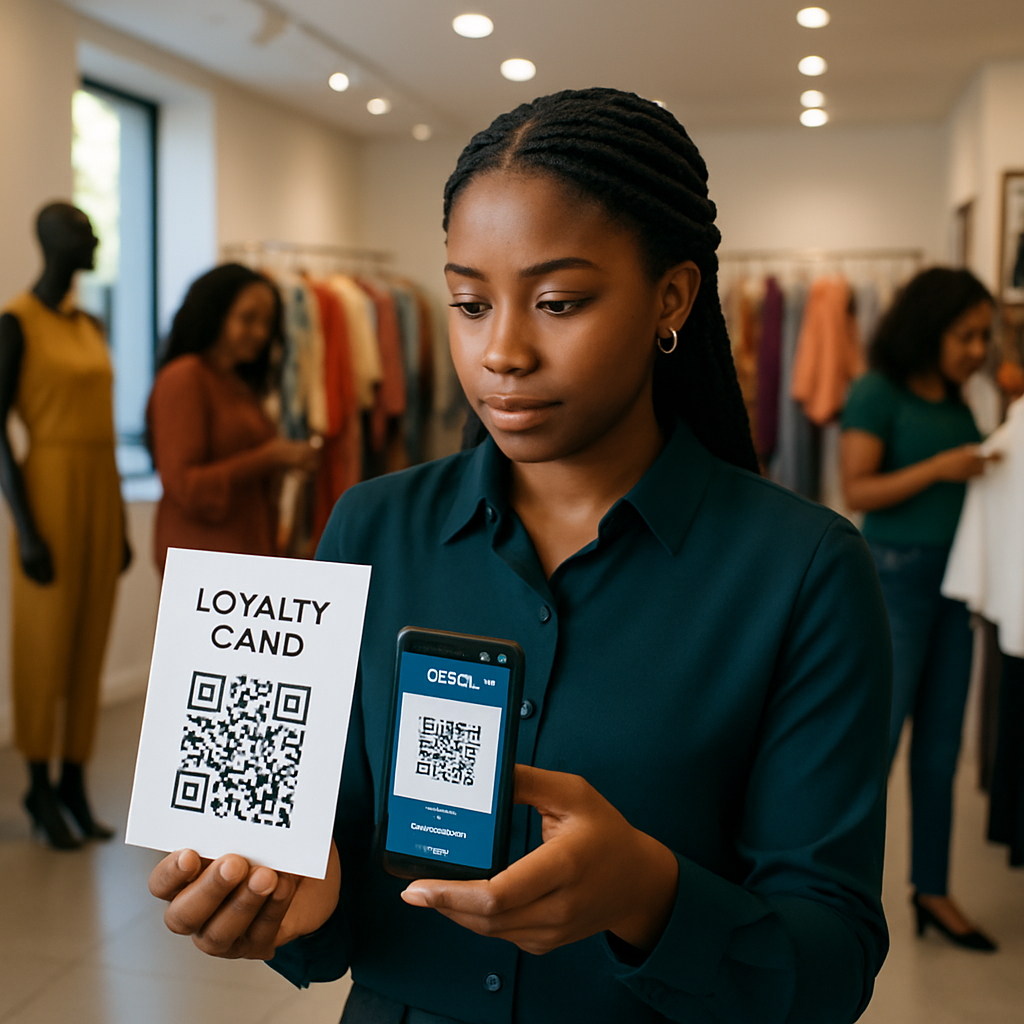
For example, a Yaba-based fashion retailer integrated their loyalty app with their WhatsApp line and POS. This allowed customers to earn and redeem points whether they shopped online or in-store. The result? A 31% increase in repeat visits within three months.
Support is another key differentiator. Many Nigerian customers prefer reaching out via WhatsApp rather than email or in-app chat. Using a 24/7 WhatsApp AI agent like Abby AI ensures inquiries about points or rewards get instant responses—even outside business hours.
On the technical side, always test your app on multiple devices and network conditions. Nigeria’s patchy internet means offline caching, data-light design, and small app size aren’t just nice-to-haves—they’re essential for adoption. Read more about common app pitfalls and user expectations in our article Does Your Business Actually Need a Mobile App?.
Lastly, keep updating your app with new features and bug fixes, based on real customer feedback. Regular updates show users you care, and that builds trust over time.
Key Takeaways
A customer loyalty app Nigeria SMEs can rely on must be easy to use, locally relevant, and mobile-friendly.
Integrate registration, notifications, and support with WhatsApp for maximum user adoption.
Offer rewards like airtime, data, and local experiences that Nigerians actually want.
Keep reward milestones realistic and run regular campaigns to maintain engagement.
Test thoroughly on Nigerian devices and networks, and offer fast support via WhatsApp AI agents.
Get a Loyalty App Built for Your Business
Ready to make your customers come back again and again? Albanny Technologies specialises in custom mobile loyalty apps that fit Nigerian business needs. Discover how our Mobile App Development team can help you build a loyalty solution your customers will love.
Benson is a Senior Digital Strategist at Albanny Technologies with over 5 years of experience in high-end web development and technical SEO. Specializing in helping Nigerian businesses scale their digital footprint, he translates complex technology into actionable growth strategies. When he’s not auditing site performance, he’s mentoring the next generation of tech talent in West Africa